Concrete & Pavers
Scranton/Clarks Summit/Dunmore Pa
Joe Dougher Masonry/Contractor; Concrete/Pavers, Stone - Brick & Stucco veneer, Retaining walls, Fireplaces and Chimneys

Concrete & Paver Project Gallery
Check out these projects to get an idea of what can be accomplished, then contact us to get your free estimate!

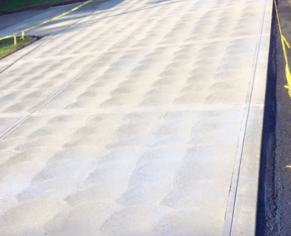


FAQ's about concrete
Can I get a color/stain/pattern in the concrete?
Sure! Ask me about plain/textured concrete or getting it stamped, stained, stenciled or overlaid concrete. There are a lot of options to make your job stand out from the rest.
How can I prevent cracking?
Concrete is known for cracking, and in many cases, soon after it's poured. Reasons could be, the more water in the mix, the weaker your concrete. As it dries, it shrinks and cracks. Using only the minimum amount of water means less shrinking and less chance of cracks. Control joints are very important to help prevent cracks as well as saw cutting the next morning if not that night. These joints need to be 1/3 the depth of the concrete pour, with their typical distance apart found by multiplying the thickness of concrete by a factor of three. These joints allow the material to flex without breaking. Any long, unbroken stretch of concrete will crack during the first winter, if not before. Also, a solid sub base is needed, tamped virgin ground, modified, or sometimes gravel depending on situation.
Can you strengthen the concrete so it lasts?
There are several things that can be done to strengthen the concrete pour. Using a minimum amount of water is probably the single most important thing. Wire mesh is the best for flatwork. Steel rebar grids can add strength and stability for structural concrete. Fiberglass can also be mixed into the concrete for extra strength. Another important factor is preparing the surface underneath the concrete -- compacting the soil and adding tightly packed crush material creates a stable base. Finally the concrete should be poured on a dry sunny day. Don't get it poured when it's raining or if the ground is frozen.
How do you care for concrete?
Concrete is a durable, long lasting product without much maintenance. However, most acids can deteriorate concrete. Sealing the concrete will help to protect it. It also repels water, dust-proofs and UV protects the surface and provides resistance to abrasion. Concrete should be cleaned to remove normal dirt, rust or other stains. Sealing any cracks and joints in concrete can help to minimize water intrusion. If you have any decorative concrete you should consult the manufacturer of the product in order to get the best care instructions.